The Mediterranean diet isn’t just a meal plan—it’s a lifestyle celebrated for promoting heart health, supporting weight management, and even increasing life expectancy. Rooted in the traditional eating habits of countries bordering the Mediterranean Sea (like Greece, Italy, and Spain), this diet focuses on fresh, seasonal, and minimally processed foods. Here’s everything you need to know about following a Mediterranean diet plan.
🌿 What is the Mediterranean Diet?
At its core, the Mediterranean diet emphasizes:
✅ Plenty of fruits and vegetables
✅ Whole grains like brown rice, quinoa, and whole wheat bread
✅ Healthy fats, especially olive oil and nuts
✅ Moderate amounts of fish and seafood (at least twice a week)
✅ Limited consumption of red meat and processed foods
✅ Herbs and spices instead of salt for flavor
✅ Moderate consumption of dairy (preferably yogurt and cheese)
✅ Enjoying meals socially and staying active
🥗 Key Components of a Mediterranean Diet Plan

Here’s what your daily and weekly meals might include:
Daily
-
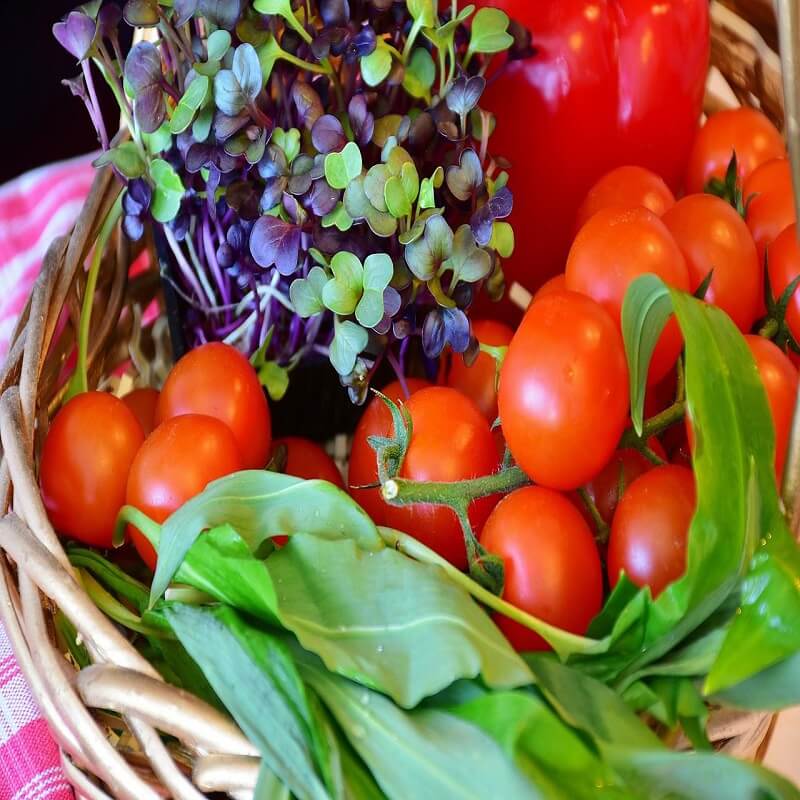
Vegetables & Fruits: Aim for colorful variety—tomatoes, leafy greens, berries, citrus.
-
Whole Grains: Choose whole wheat pasta, oats, bulgur, or barley.
-
Healthy Fats: Use extra virgin olive oil for cooking and dressing.
-
Nuts & Seeds: A small handful for snacks or added to salads.
-
Dairy: Opt for Greek yogurt or small amounts of cheese.
Weekly
-
Fish & Seafood: Salmon, sardines, or mackerel (rich in omega-3).
-
Poultry & Eggs: Chicken, turkey, and eggs in moderation.
-
Legumes: Lentils, chickpeas, and beans as protein sources.
-
Red Meat: Keep it occasional, choose lean cuts, and enjoy in small portions.
🗓 Sample 7-Day Mediterranean Diet Plan
Day 1:
-
Breakfast: Greek yogurt with honey and fresh berries
-
Lunch: Quinoa salad with cherry tomatoes, cucumbers, olives, and feta
-
Dinner: Grilled salmon with steamed greens and roasted sweet potatoes
-
Snack: Handful of walnuts
Day 2:
-
Breakfast: Whole grain toast with avocado and poached egg
-
Lunch: Chickpea and vegetable soup with a side of whole wheat pita
-
Dinner: Baked chicken breast with roasted Mediterranean vegetables
-
Snack: Fresh orange slices
Day 3:
-
Breakfast: Oatmeal with sliced bananas and almonds
-
Lunch: Tuna salad over mixed greens with olive oil dressing
-
Dinner: Shrimp sautéed in garlic with whole grain pasta and spinach
-
Snack: A few dates
(Continue similar balance for the rest of the week: plenty of vegetables, whole grains, and seafood with occasional poultry.)
✅ Benefits of the Mediterranean Diet
-
Heart health: Lower risk of heart disease thanks to healthy fats.
-
Weight management: Naturally lower in refined sugars and processed foods.
-
Brain health: Associated with reduced risk of cognitive decline.
-
Anti-inflammatory: Rich in antioxidants from fruits, vegetables, and olive oil.
💡 Tips for Success
-
Cook at home using fresh, seasonal ingredients.
-
Enjoy meals slowly and with family or friends.
-
Stay active—walking, cycling, or light exercise daily.
-
Replace sugary desserts with fresh fruit.
📌 Final Thoughts
The Mediterranean diet isn’t a strict regimen—it’s a flexible, balanced approach to eating that you can adapt to your taste and lifestyle. Beyond food, it’s about embracing a healthier, more joyful way of living.
📝 Mediterranean Diet FAQs
1️⃣ What is the Mediterranean diet?
It’s a way of eating based on traditional foods from countries like Greece, Italy, and Spain, focusing on fruits, vegetables, whole grains, fish, and healthy fats.
2️⃣ Is it good for weight loss?
Yes! It naturally limits processed foods and added sugars, which can help with healthy weight management.
3️⃣ Can vegetarians follow the Mediterranean diet?
Absolutely. Plant-based foods like legumes, grains, nuts, and seeds are core parts of this diet.
4️⃣ How often can I eat red meat?
Keep red meat to small portions and only a few times per month.
5️⃣ What’s the main source of fat?
Extra virgin olive oil, along with nuts and seeds, is the primary healthy fat.
6️⃣ Do I need to drink wine?
Moderate wine (especially red) is traditional, but it’s optional. You can skip it if you prefer.
7️⃣ Can I still eat pasta and bread?
Yes—choose whole grain pasta and bread for added fiber and nutrients.
8️⃣ Are sweets allowed?
Yes, but rarely. The diet encourages fresh fruit instead of desserts high in sugar.
9️⃣ Do I need to count calories?
Not usually. Focus on balanced meals, quality foods, and mindful eating rather than strict calorie counting.
🔟 Is the Mediterranean diet suitable for diabetics?
Yes. Its focus on whole foods, fiber, and healthy fats can help support blood sugar control. Always consult your doctor first.