
In the global modernized society, people are prone to eating and scrolling the digital gadgets or operating their computers or viewing television sets without proper enjoyment of their meals. This thoughtless way of living can pervade without injuring health, especially appetite.
Mindful eating is not a short-lived fad: it is a scientifically proven way to get in touch with the body’s hunger again, improve the gastrointestinal system & even promote mental health. The discussion below explains that even slowing down the process of eating can revolutionize not just the digestion process but also the overall attitude to eating.
What Is Mindful Eating?
Mindful eating refers to the conscious mind that a person practices when eating. It is a practice of carefully observing the texture of any bite, taste, aroma, and the feelings it leads to.
The premise is based on the ancient idea of mindfulness, the origin of which can be found in Buddhist beliefs, but nowadays, it has become an essential aspect of psychology and wellness science. Eating carefully helps a person to train the mind to concentrate on the present instead of using other notifications or activities that come later.
Mindful eating is not a diet sick of what and what not and how much to eat. Rather, it helps people to:
- The understanding of actual hunger and fullness cues.
- Eating healthier, provided you make an effort.
- Increasing pleasure in food despite decreased amounts of the same.
The Gut–Brain Connection

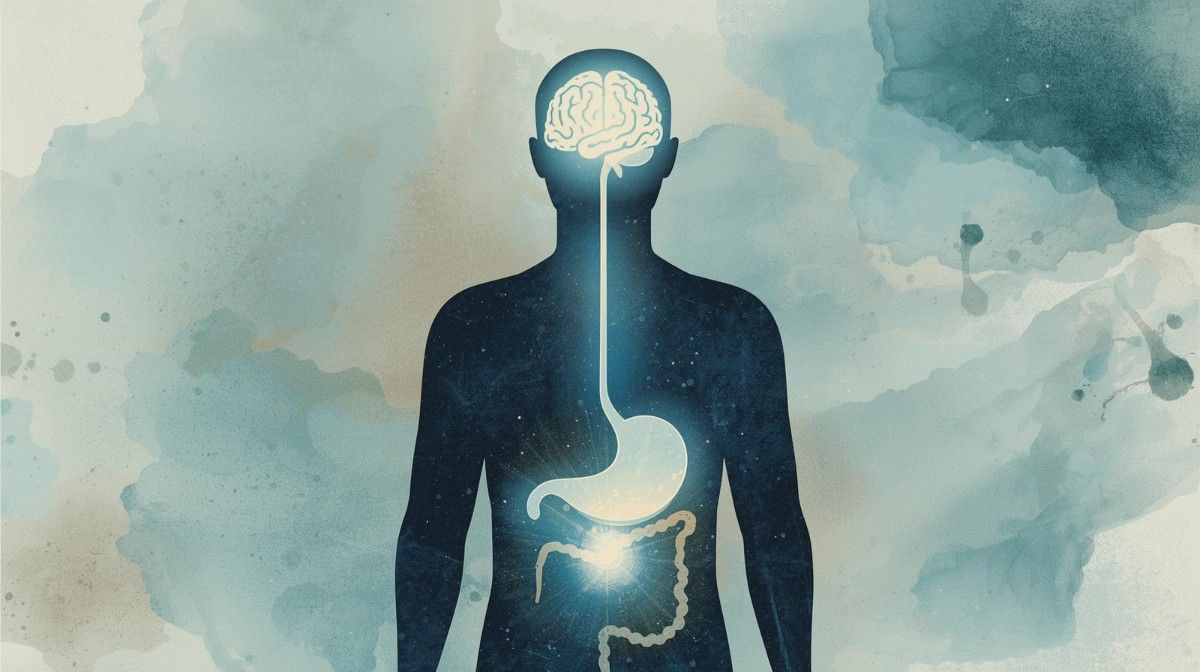
The gut-brain axis is a relation between the digestive system and the brain, which is a process of continuous communication.
Whenever one eats food quite fast or because of stress, the brain releases fight-or-flight hormones, and one does not use the energy to digest his food. Therefore, food can be escorted through the system without degrading properly, and it may end up causing:
- Bloating or indigestion
- malnutrition
- Irritable bowel symptoms
Slowing down triggers the parasympathetic nervous system -the rest and digest- to strengthen the secretion of stomach acid and enzymes to digest food effectively. Therefore, deep breathing prior to eating relaxes in addition to having biochemical benefits.
Why Eating Slowly Matters
Studies have established that it takes an average period of twenty minutes before the brain records fullness after one engages in a meal. Eating quickly may cause one to consume more food prior to the brain getting satiated.
Slow eating enables the body to:
- Eat slowly and enhance nutrient absorption.
- Enjoy food, thus making meal satisfaction more intense.
- Prevent overeating: Healthy weight management.
A study in the Journal of the Academy of Nutrition & Dietetics determined- that slow eaters were capable to consume 88 calories lower per feed- than fast eaters & not to feel less satisfied.
Aware Eating in Practice
The following is a brief instruction on how aware eating can be incorporated in day- to- day life
1. Pause Before Eating
- Take a few deep breaths.
- Evaluate the state of actual hunger.
- Thank you silently about the meal.
2. Engage All Senses
- Note colors, textures and smell.
- Recognize the effort and ingredients.
3. Chew Thoroughly
- Aim to chew 20–30 times per bite.
- Observe the changing texture and taste to chew on.
4. Lay the Knife and Fork Between Bites.
- It is an easy practice, which in itself will slow your progress and give the system time in which to show an attitude of fullness.
5. Avoid Distractions
- Turn off the television or turn off the phone.
- Only concentrate on the process of eating.
6. Listen to Your Body
- Eat to a stage of comfort and not the feeling of fullness.
- Eat when one is really hungry, not out of habit or because it is there.
The Psychological Benefits
Conscious consumption not only improves the digestive system but also the psychological and even emotional state:
- Lessens stress and anxiety: The slower the consumption the less the cortisol and the calmer one becomes.
- Quash emotional eating: Learndata develop distinction between physical and emotional cravings.
- Fosters appreciation: Greater appreciation of food stimulates positive feelings.
A review by Harvard Health showed that mindful eating has the potential to reduce binge-eating habits, as well as enhance food satisfaction especially when the individual has a current stress or gastrointestinal condition.
Conscious Dining and the Quality of Nutrition.
Mindful eating makes one tend to switch toward healthier food products. The increased attention to the influence of certain types of food on one’s sensations precondition the taste towards light and nourishing meals- fruits, vegetables, whole grains, and low-calorie fats. This slight change with time improves the digestion, metabolism and energy greatly.
The health of the stomach is a reflection of the lifestyle; therefore, slowing down, breathing, and enjoying can be as efficient as any pill.
A Mindful eating ritual for 5 minutes.
A short ritual, which can be practiced by persons with very little time, can be utilized at any meal:
- Eat sitting instead of standing or walking.
- Take three deep breaths.
- Be able to see the color, smell or look of your food.
- Hear ya bite and suck.
- Putt your utensil in between bites.
- This one short exercise can help the body to change its state of rushedness to that of digestive.
Final Thoughts
There are no strict rules to follow in mindful eating, it is just a healthier and more conscious relationship towards food. Gradually, the body gets the option to digest, the mind gets the option of resting and the soul has options of enjoying.
So the next time you are eating something, keep in mind:
The way you eat is as much as what you eat.
One conscious meal each day and have your body reward you.